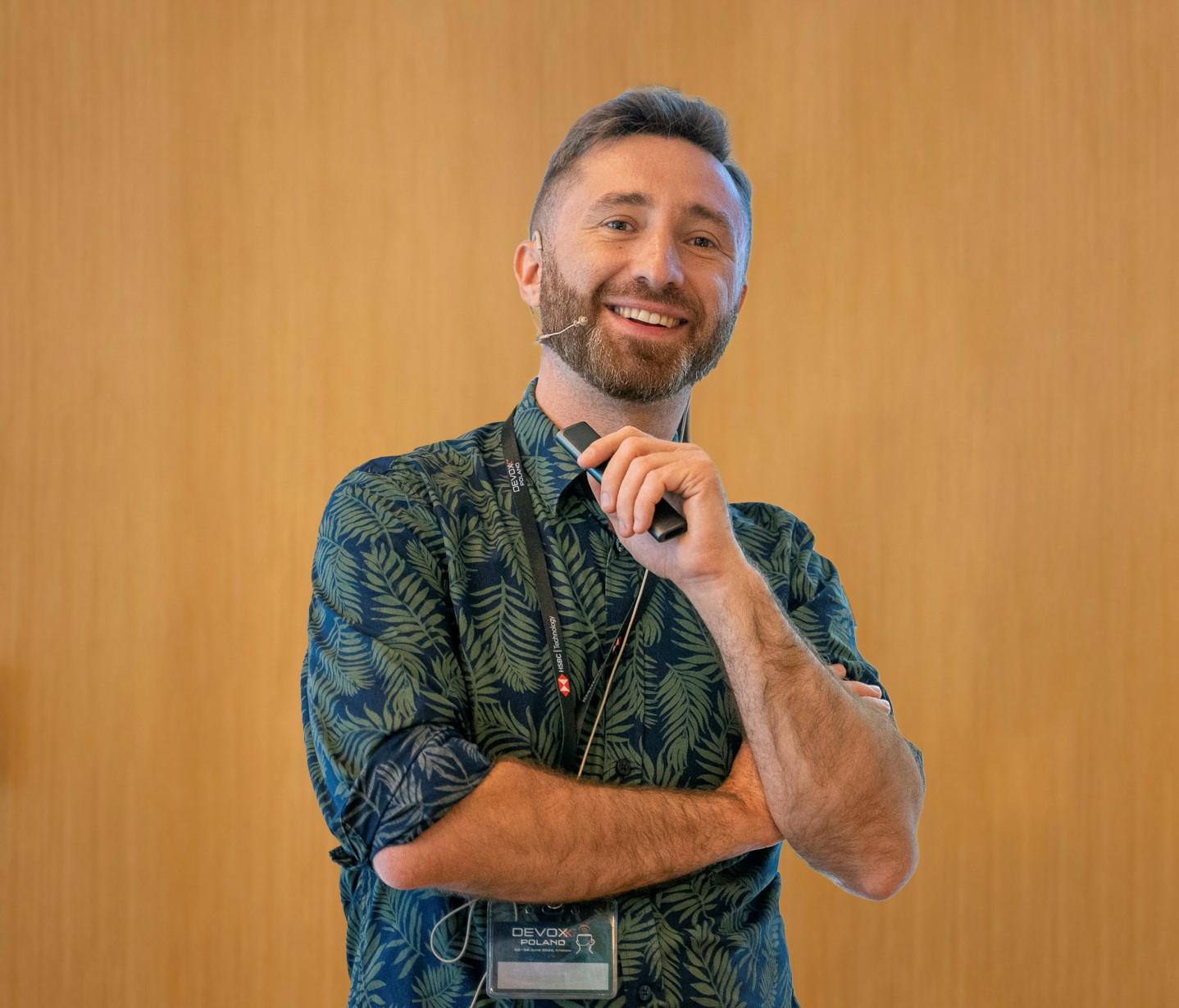

Aga Szóstek — Author at Strategic designer
The Artist Way to Leadership
September 5, 2023
11:00
Collaboration
🇬🇧 English


We all know that Software Development Lifecycle can be a complicated process. We are usually good at identifying bottlenecks and we have tools like Value Stream Mapping to visualize them. We are often able to remove some of the berries by adjusting the process itself. There are also some impediments that can only be removed by building trust across teams. During my talk, I will shine the light on how to build trust between these teams, break the silos and make enhance products.
Watch this WaysConf session, then continue with related talks or explore the current programme.
A concise argument that trust is the missing infrastructure between designers and engineers working in uncertain product environments. The talk separates cognitive trust, built through competence and reliable delivery, from emotional trust, built through character, honesty, and the way collaboration feels. Neither discipline is purely analytical or creative, so the gap cannot be solved by stereotypes about logic and aesthetics. Trust grows through small repeated interactions, close collaboration, and the willingness to expose unfinished ideas or limits. That vulnerability makes critique safer, expands creative contribution, and turns a group of specialists into a team with a stronger sense of belonging.
Collaboration, changing requirements, estimation, and complex problem solving all depend on people believing that others will act responsibly.
Watch from 4:09Reliable results establish cognitive confidence, while openness, intention, and integrity create the emotional basis for cooperation.
Watch from 5:48Designers and engineers can both reason analytically and creatively, so shared work improves when teams use both modes deliberately.
Watch from 11:22Trust develops through repeated small interactions, especially when new colleagues and cross-functional partners work closely over time.
Watch from 9:56Showing an idea before it is protected by certainty allows colleagues to challenge it and contribute without turning disagreement into personal failure.
Watch from 15:13These concise notes were edited from automatic captions and checked against the talk structure. They are not a verbatim transcript.
Product teams face incomplete requirements, difficult estimates, and problems that cannot be solved by one role alone. Responding to change assumes that colleagues will share relevant information and adjust responsibly. Customer collaboration assumes both sides can move beyond contractual defense. Trust is therefore not an optional cultural benefit; it supports the daily decisions that adaptive delivery requires.
Watch from 4:09People trust competence when someone applies knowledge, communicates in a useful language, and delivers what was promised. They trust character when that person behaves with honesty, sound intention, and integrity. A team needs both. Results without emotional safety make cooperation brittle, while warmth without dependable execution does not support difficult product commitments.
Watch from 5:48Engineers may be portrayed as caring only about logic and feasibility, while designers are portrayed as caring only about appearance. Those labels make disagreement predictable and obscure the shared task. Working closely lets developers explore unfamiliar implementation options and designers understand technical constraints without requiring either side to abandon its expertise.
Watch from 8:03A new teammate is not trusted through one impressive presentation or a single formal workshop. Colleagues continually gather small signals: whether questions are answered, promises are kept, uncertainty is admitted, and attention is offered. Frequent, lightweight contact gives the relationship enough evidence to develop, especially across roles that otherwise meet only at handoff points.
Watch from 9:56Sharing work exposes it to criticism, which can feel risky when professional identity is attached to the result. Vulnerability means presenting the reasoning honestly, acknowledging what is unknown, and allowing another discipline to affect the answer. When the relationship is trustworthy, feedback becomes joint problem solving and people can contribute more of their real capability.
Watch from 15:13