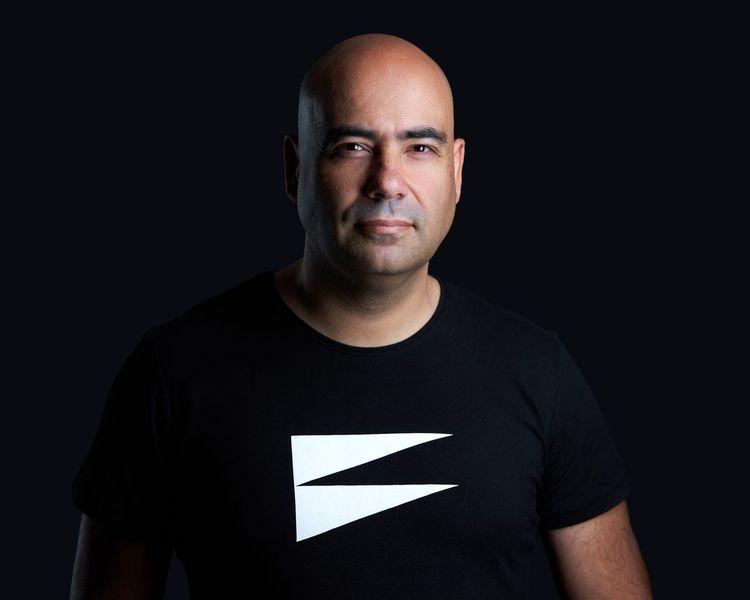

Aleksandra Wancisiewicz — Product Designer at Prowly
Od Pomysłu do Realizacji: Jak zaprojektować i zaimplementować Generative AI w swoim produkcie
September 20, 2024
12:05
Design Strategy
🇵🇱 Polish

Pain points in creating exceptional websites: From creative potential and purpose, to people and leadership, content, and everything else that enables us to carry the flag of good design.
Watch this WaysConf session, then continue with related talks or explore the current programme.
A studio leader’s account of the conditions required to make distinctive digital work: committed decision-makers, clear ownership, strong content, enough time, and a team willing to defend its principles. Through agency projects, the talk shows that visual craft alone cannot overcome an absent marketing team, vague feedback, or a late executive intervention. A public manifesto helps prospective clients understand the studio’s ethos and filters for compatible relationships before work starts. The broader argument is that design cannot satisfy every stakeholder simultaneously; teams should distribute decisions to people with relevant expertise, collaborate closely, and seek the best outcome rather than universal approval.
Exceptional work needs a client-side decision-maker who can involve the right people, remove obstacles, and support a shared ambition.
Watch from 4:00A long-running theatre collaboration shows how freedom, continuity, and close partnership can turn constraints into a coherent body of work.
Watch from 8:00A polished concept can still fail when marketing or senior management sees it only after the central direction has already been built.
Watch from 10:01Strategy and real material should precede decorative execution because a website must explain an actual product to its intended audience.
Watch from 12:01Stating the studio’s beliefs openly attracts clients who share them and gives both sides permission to reject a poor fit.
Watch from 24:01These concise notes were edited from automatic captions and checked against the talk structure. They are not a verbatim transcript.
A designer may have the craft to produce remarkable work, yet still need someone inside the client organization who can secure access, decisions, and trust. The useful counterpart is not merely enthusiastic; they bring the right participants into the process and act when constraints appear. That commitment turns a supplier relationship into a shared attempt to make something unusually good.
Watch from 4:00A cultural client began without a usable image library or a large production budget, so typography, color, transparency, and motion became the system. Continuing the relationship across multiple seasons allowed each iteration to build on the last. The quality came from sustained ownership and adaptation, not from pretending the original constraints did not exist.
Watch from 6:00A large client approved an expressive website direction, but the marketing team had not been involved and later rejected a central visual device because it competed with copy. The concept solved a design problem without resolving the organization’s decision process. Bringing every function with real veto power into the work early is therefore part of design, not administrative overhead.
Watch from 10:01Letting every participant choose typography, color, content, and interaction produces a compromise that satisfies no one. A healthier process gives each decision to the person best equipped to make it while keeping the wider group informed. Social skill, diplomacy, strategy, and technical partnership are necessary because a strong visual argument cannot overrule organizational politics by itself.
Watch from 18:00A studio does not become selective only after reaching a particular size. It can state its ethics, working style, and expectations clearly, then let those principles screen opportunities and future colleagues. The stance may narrow the market, but it also gives compatible clients a concrete reason to begin a conversation and reduces conflict once the project starts.
Watch from 24:01