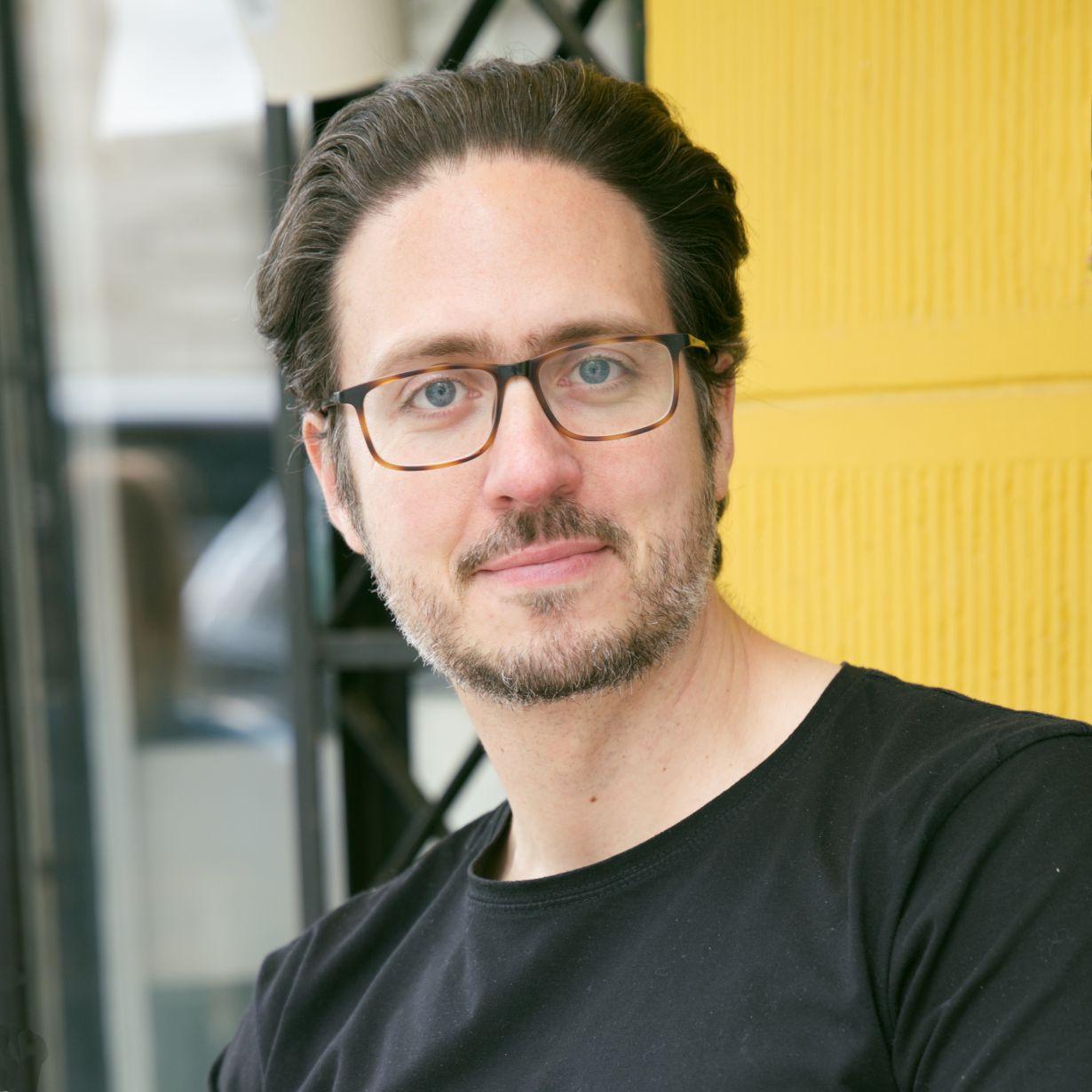

Nathalie Kowalczyk — Product Design at Figma
Beyond the Pixel: From Design Craft to Strategic Advantage
September 18, 2025
15:50
Product & Management Stage
🇬🇧 English


AI solutions are revolutionizing the customer service industry, and Zendesk is truly doubling down on the opportunity. However, every revolution comes with a price. And that meant that the team needed to adapt and change as well. Let's explore how to maintain sanity in an environment that's constantly shifting beneath your feet, and when it makes sense to tactically slow down in order to speed up in the long run.
Watch this WaysConf session, then continue with related talks or explore the current programme.
Using biathlon as a metaphor for alternating speed and control, this talk shows how a distributed design organization changed its cross-team rituals during a period of rapid AI product development. The team replaced agenda-heavy status meetings with repeatable, facilitated formats supported by asynchronous templates, shared critique, and visible links to goals and quality measures. Some rituals expanded globally, while others were retired or redesigned. The broader lesson is to treat organizational practices as products: define their purpose, test them at manageable scale, evolve them from evidence, and stop them when they no longer create connection or better work.
Rapid delivery and careful alignment are different modes; leaders must help teams move deliberately between them instead of demanding constant acceleration.
Watch from 0:19Cross-team rituals became more useful when meetings centered on critique, shared understanding, and decisions rather than reporting against an agenda.
Watch from 4:59A stable asynchronous structure helped people prepare, enabled multiple disciplines to contribute, and made the ritual itself easier to improve.
Watch from 7:29Adding visuals, OKR links, and quality questions helped participants understand the work and evaluate it in a consistent organizational context.
Watch from 10:29Successful practices should still be treated as experiments; scaling, replacing, or ending them is part of maintaining an effective operating system.
Watch from 18:39These concise notes were edited from automatic captions and checked against the talk structure. They are not a verbatim transcript.
Biathlon captures the leadership problem because athletes must raise their heart rate for speed, then regain control for accurate shooting. Product organizations face a similar transition. They need momentum, but they also need moments of attention, shared judgment, and correction. The goal is not to choose fast or slow; it is to become capable of changing mode when the work demands it.
Watch from 0:11The design leadership team moved away from meetings dominated by agenda items and status reporting. The replacement was designed around cross-team connection: participants could see work, discuss decisions, and build shared context. This change made the meeting’s value observable and allowed the organization to ask whether the format improved collaboration rather than merely whether people attended.
Watch from 4:59A common asynchronous template reduced the effort of preparing and understanding each review. Experienced designers retained room to adapt it, while content and design-system colleagues could contribute in the same space. Because the input had a stable shape, leaders could see patterns across teams and the organization could improve the ritual without rebuilding it from nothing.
Watch from 7:29The team changed the template as it learned. Screenshots made projects easier to grasp, links to objectives clarified strategic relevance, and quality questions connected delivery with internal standards. A practice that began among a small regional group eventually supported teams across time zones because its evolution was grounded in observed needs rather than a one-time rollout.
Watch from 10:20The final advice is to define the purpose first, preserve an experimental mindset, and avoid copying another organization’s format literally. Some rituals grew from local practice to global coordination; others were stopped or replaced. Ending a familiar meeting is not failure when its purpose has changed. It is evidence that the operating system is being maintained.
Watch from 19:00