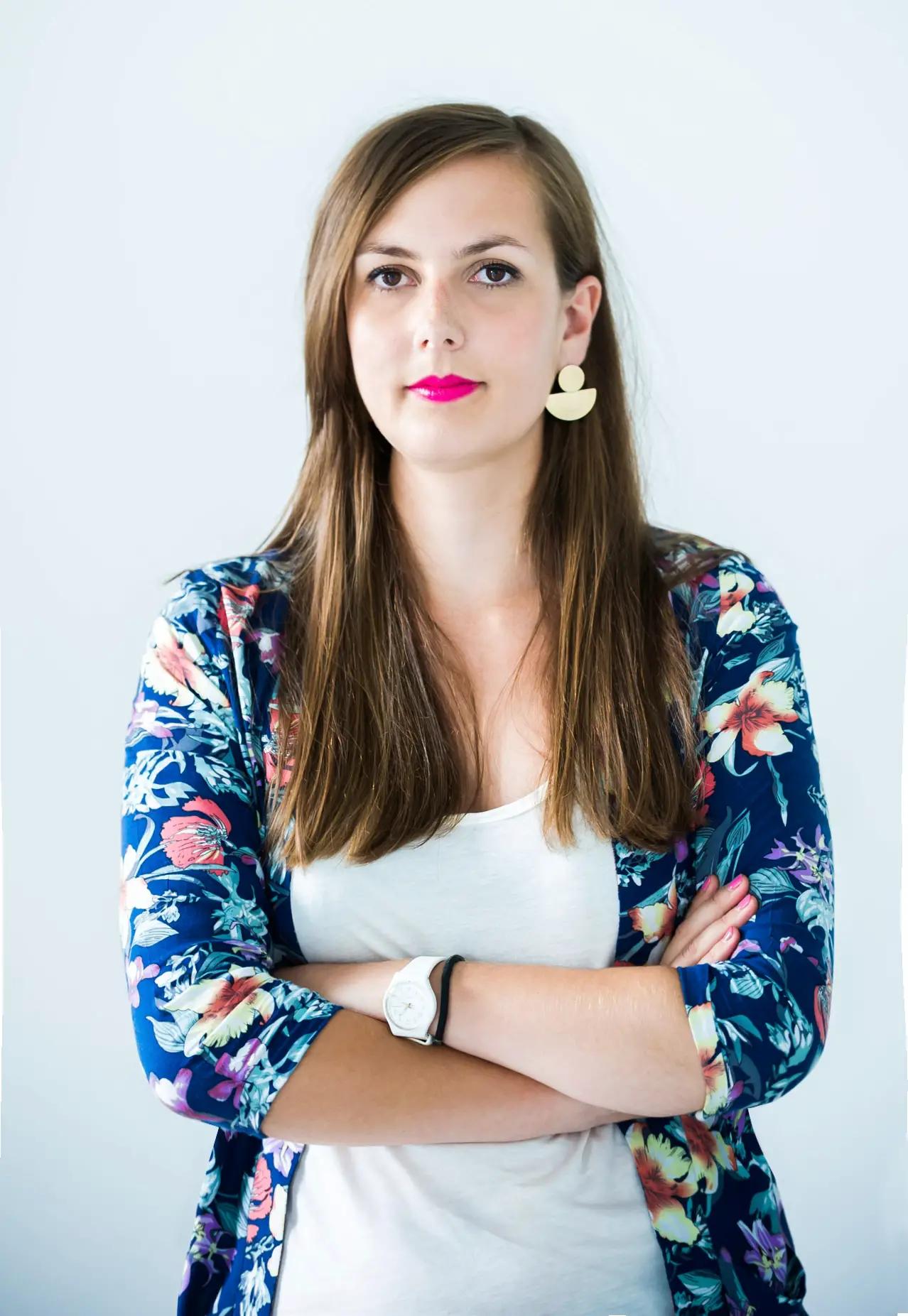

Sebastian Gier — Founder of Footprint at Independent
Designing for climate action
UX Product Design
🇬🇧 English
Typically, after reaching the level of a Senior UX/UI/Product Designer, it seems that team management is the only option. Yet, there are several other career paths besides the managerial role.
What other paths can you take as an experienced designer? Which competencies and skills are worth acquiring to embark on each path? You will find inspiration for making such decisions in Olka's speech.
Watch this WaysConf session, then continue with related talks or explore the current programme.
A map of career options after senior product designer that rejects one compulsory ladder. Experienced designers can deepen a specialization, pivot toward research or product management, become consultants, lead complex projects, build a business, or combine several paths over time. Each choice requires different skills and tradeoffs. Technical expertise alone is insufficient for broad leadership, while business ownership adds sales, accounting, and marketing to design work. The exercise encourages designers to select multiple directions, test them, and change course rather than treating management as the only evidence of growth.
Research, product management, and deeper craft disciplines offer growth without requiring every senior designer to manage people.
Watch from 7:04Problem solving, conflict work, moderation, and commercial context expand the range of situations a senior can lead.
Watch from 9:20Consultants can support organizations around a narrow process, system, motion, or design-selling capability.
Watch from 10:32Founding a company preserves design opportunities while adding sales, finance, marketing, and operational responsibility.
Watch from 11:58Career development can mix expertise, leadership, consulting, and ownership instead of locking into one permanent track.
Watch from 14:38These concise notes were edited from automatic captions and checked against the talk structure. They are not a verbatim transcript.
An experienced designer does not need to accept people management as the default next step. A move toward research, product management, systems, motion, strategy, or another specialization can create new learning and impact. The useful question is which work the person wants to practice, not which title appears above senior on a generic ladder.
Watch from 7:04Technical design ability remains valuable, but complex responsibility adds problem framing, conflict resolution, facilitation, and business understanding. These skills develop through practice and feedback rather than promotion alone. A designer seeking quick certainty may find the transition frustrating because the work increasingly involves people, ambiguity, and consequences without one correct answer.
Watch from 9:20A consultant may work inside an organization or independently, supporting a narrow capability such as design systems, motion, process, or communicating design value. The role requires diagnosing context and transferring knowledge, not simply repeating a preferred method. Credibility grows when the intervention helps the client operate more effectively after the consultant leaves.
Watch from 10:32Starting a business can create freedom to shape products and culture, but design becomes only one responsibility. Sales, accounting, marketing, hiring, operations, and risk enter the work. Designers should test whether they want this complete system rather than choosing entrepreneurship only as an escape from a current organization or a route to more creative control.
Watch from 11:58A person may lead projects while retaining deep expertise, consult before founding a company, or return from management to craft. The paths are not irreversible identities. Mark several directions, run small experiments through mentoring or project choices, and update the plan as motivation and life circumstances change. Growth is a portfolio of capabilities, not one final title.
Watch from 14:38