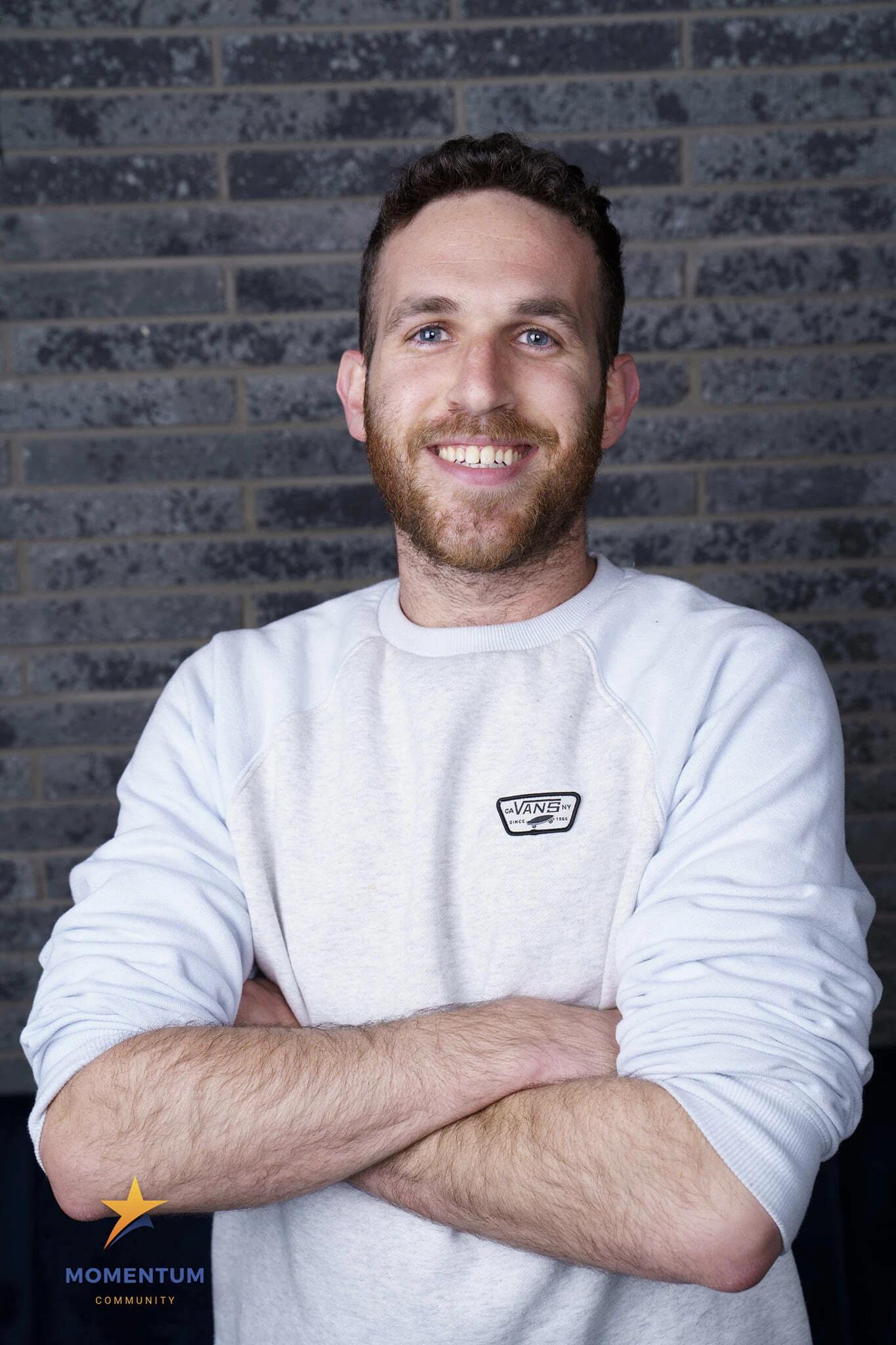

Paweł Chłodnicki — Content Designer at DocPlanner
Content Design Toolkit. Ways of working with product copy - review and ideas
September 4, 2023
12:00
UX Writing
🇬🇧 English


Now that you know content goes first and plain language is key, it’s time to dig deeper and figure out how to make it all work in your organization.
How to take a step back, reflect, and make the best use of your current UX writing resources? How to hire content professionals and structure work to get the best results? We’ll talk about collaboration, content style guides you’ll actually use, designing for diverse groups and markets, and possible development paths for UX writing professionals. Get ready for real-life challenges and case studies from an in-house specialist and an external consultant. Hands-on experience only, no filler!
Watch this WaysConf session, then continue with related talks or explore the current programme.
Moving from interest in UX writing to effective product practice requires process design, technical curiosity, and collaboration more than isolated wordsmithing. The talk uses real product examples to show content-first workflows, diagnostic questioning around error messages, close work with developers, decision logs that evolve into usable style guidance, asynchronous teaching, peer review, and research. UX writers create leverage when they understand system behavior, document why language choices were made, and help the wider team make better content decisions without depending on a writer for every screen.
Content-first work clarifies intent and information structure before interface and technical decisions make change expensive.
Watch from 6:44A requested message may expose a broken rule or journey, so writers should diagnose behavior before rewriting the symptom.
Watch from 11:49Technical partners can reveal states, constraints, and alternatives that determine whether the right solution is copy or product logic.
Watch from 16:52Documented choices can become a style resource that explains context and is easier for teams to apply than abstract rules.
Watch from 21:47Even research not labeled as content testing reveals which terms people understand, misinterpret, or use themselves.
Watch from 32:31These concise notes were edited from automatic captions and checked against the talk structure. They are not a verbatim transcript.
Clear microcopy still depends on accessibility, information architecture, cross-channel consistency, and product behavior. The practical challenge is not only choosing words; it is creating a process where language decisions happen at the right time and remain coherent through design, engineering, and research. A writer’s impact grows when the team can see and reuse that reasoning.
Watch from 2:03On a complex legacy product, the team agreed to work with words before interface or code. Removing the visual layer forced stakeholders to discuss what the experience needed to communicate and in what order. Content became a low-cost prototype of the journey, making unclear logic visible before anyone invested in polished screens.
Watch from 6:44A request to explain that a price must be greater than zero sounded like a copy task, but the surrounding payment rule prevented a legitimate free service from being offered. Rewriting the error would make the constraint friendlier without solving it. The writer needed to trace the condition, clarify the intended behavior, and involve technical partners.
Watch from 11:49A rule without context is easy to ignore or misuse. Decision logs capture the problem, alternatives, reasoning, and final choice, so they gradually form guidance grounded in real product situations. This living record is more likely to help a teammate decide than a large document of generic principles disconnected from daily work.
Watch from 21:47A usability session does not need a content label to reveal a content problem. Participants show which button labels they misread, which terms are unfamiliar, and how they describe the task in their own words. Writers can gather those moments from broader studies and use them to improve terminology, guidance, and future research questions.
Watch from 32:31