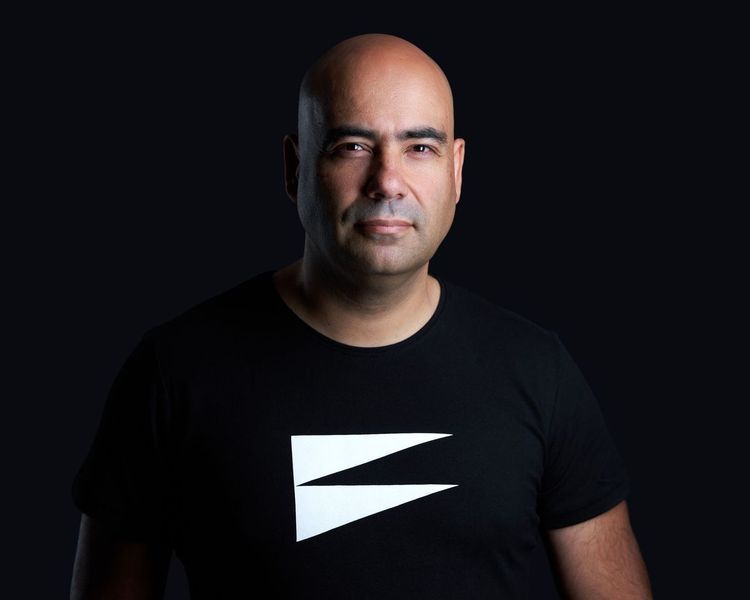

Marcin Andrzejewski — Owner of marcinandrzejewski.pl at Independent
What the...Kanban!? Team management. I think.
Design Strategy
🇵🇱 Polish


A case study on how we developed the team from two designers tasked with “doing design thinking” into a strategic asset at the heart of the digital transformation of the bank. I will share my experiences of navigating a huge corporate structure and building the understanding of the value of good UX design and of understanding the bureaucratic and regulatory environment that lead to developing the UX team.
Watch this WaysConf session, then continue with related talks or explore the current programme.
A case study on growing a small UX practice into an organization-wide center of expertise. One flagship product cannot raise maturity by itself; progress spreads through small acts that colleagues can reuse, from improving an internal tool to sharing a design system, creating a first prototype, or helping a team brief a vendor. The speakers show how seemingly minor work can become influential when it gives others language and artifacts for better decisions. Sustainable maturity also requires boundaries so the UX team enables the organization without becoming its exhausted service desk.
A UX center grows credibility by solving concrete problems before attempting to govern the entire organization.
Watch from 2:29Even a major budget and successful experience cannot raise maturity across unrelated teams and internal systems by itself.
Watch from 7:41Modest changes to frequently used staff tools can build relationships and demonstrate the value of customer-centered thinking.
Watch from 13:04A first sketch or prototype may help colleagues brief vendors and influence work far beyond the original request.
Watch from 23:48UX enablement needs priorities, self-service resources, and clear boundaries so specialists are not required in every decision.
Watch from 35:46These concise notes were edited from automatic captions and checked against the talk structure. They are not a verbatim transcript.
A center of expertise does not need to begin with a mandate covering the whole organization. Small improvements can show how UX changes outcomes, introduce useful language, and create collaborators. Each piece of work should solve a real problem while leaving behind a method or artifact that makes the next team less dependent on persuasion from zero.
Watch from 2:29A large public product may receive substantial budget and design attention while internal tools and smaller services remain difficult. Organizational maturity is distributed across teams and decisions, so one success cannot substitute for broader capability. The UX practice needs multiple paths of influence, including operations, procurement, standards, teaching, and strategic partnership.
Watch from 7:41Staff tools often expose fragmented ownership and low expectations, yet they shape service delivered to customers every day. Improving one practical task can reduce operational friction and help colleagues experience the benefits of research and iteration directly. The work may be visually modest while creating strong advocates for better product practice.
Watch from 13:04A prototype or sketch may be the first concrete expression of quality a team has ever possessed. Colleagues can use it to explain intent to vendors, compare proposals, or protect a customer need during procurement. UX influence grows when artifacts are understandable and portable, rather than meaningful only while the designer is present.
Watch from 23:48As maturity grows, requests can overwhelm the specialists who helped create demand. Templates, design systems, office hours, training, and decision criteria should allow others to handle lower-risk work. The UX team then reserves direct involvement for consequential uncertainty, while clear intake and priorities protect its energy from becoming an unlimited internal service.
Watch from 35:46