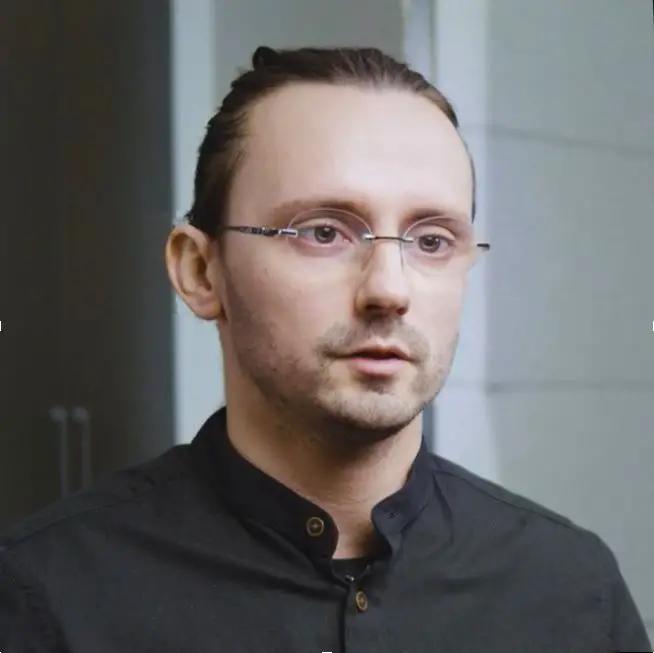

Bartłomiej Lenard — Experience Design Lead at EY
Design decision making - is it possible to manage the product by design?
Design & Business
🇬🇧 English


I will discuss an unprecedented situation. That is, working on products affecting people from a war-ridden country. I want to point out, based on our example, that you should not jump into a vortex of change or make a revolution. In a crisis, it’s best to wait until the dust settles. Only then come out of the business basement and, with the right tools, look around the debris and start making small steps.
Watch this WaysConf session, then continue with related talks or explore the current programme.
A product case study about adapting a work platform after Russia’s invasion of Ukraine changed customers’ lives, migration patterns, legal conditions, and immediate needs. Trust became essential as refugees and returning workers needed reliable information about pay, hours, rights, safety, and support. Existing segments changed, including a sharp rise in workers arriving with children, while regulations differed depending on when people entered the country. The talk shows crisis product work as continuous listening, operational help, legal accuracy, and readiness to revise the customer model.
War changed where people lived, why they sought work, and what safety meant, invalidating previously stable assumptions.
Watch from 2:20Customers facing instability need accurate, useful support before they will respond to ordinary platform communication.
Watch from 7:54Pay timing, hours, legal updates, and current status become core experience information when uncertainty is already high.
Watch from 12:12A large increase in workers arriving with children materially altered needs and the product’s service context.
Watch from 16:23Simplified rules for new refugees did not always cover earlier migrants, so products had to avoid treating all Ukrainian workers identically.
Watch from 25:15These concise notes were edited from automatic captions and checked against the talk structure. They are not a verbatim transcript.
Plans made before war can become irrelevant within days. Customers may relocate, lose documents, support families, or return to dangerous conditions. Product teams should pause normal roadmap logic and rebuild their understanding from current evidence. The first question is not which feature continues, but what responsibility and useful role the organization can now sustain.
Watch from 2:20People facing instability will not engage simply because a company has a familiar product channel. They need evidence that information is accurate, intentions are credible, and support reflects their situation. Trust is built through reliable actions and transparent communication, after which ordinary product requests and engagement mechanisms become more appropriate.
Watch from 7:54Clear records of working hours, expected pay, payment timing, rights, and changing law reduce uncertainty that compounds the stress of displacement. These details may look administrative in a normal roadmap, but during crisis they become central customer value. The product should make status legible and identify where information may change.
Watch from 12:12The proportion of workers arriving with children grew sharply, affecting availability, scheduling, communication, and support. A segment label such as migrant worker no longer described enough of the situation. Teams needed to understand caregiving responsibilities and redesign services around the practical conditions under which people could accept and perform work.
Watch from 16:23Emergency legislation simplified employment for many refugees, but similar-looking customers could fall under different rules depending on arrival and status. A product must avoid confident generalization, keep legal content current, and direct ambiguous cases to qualified support. Segment definitions become operational safeguards, not only marketing categories.
Watch from 25:15