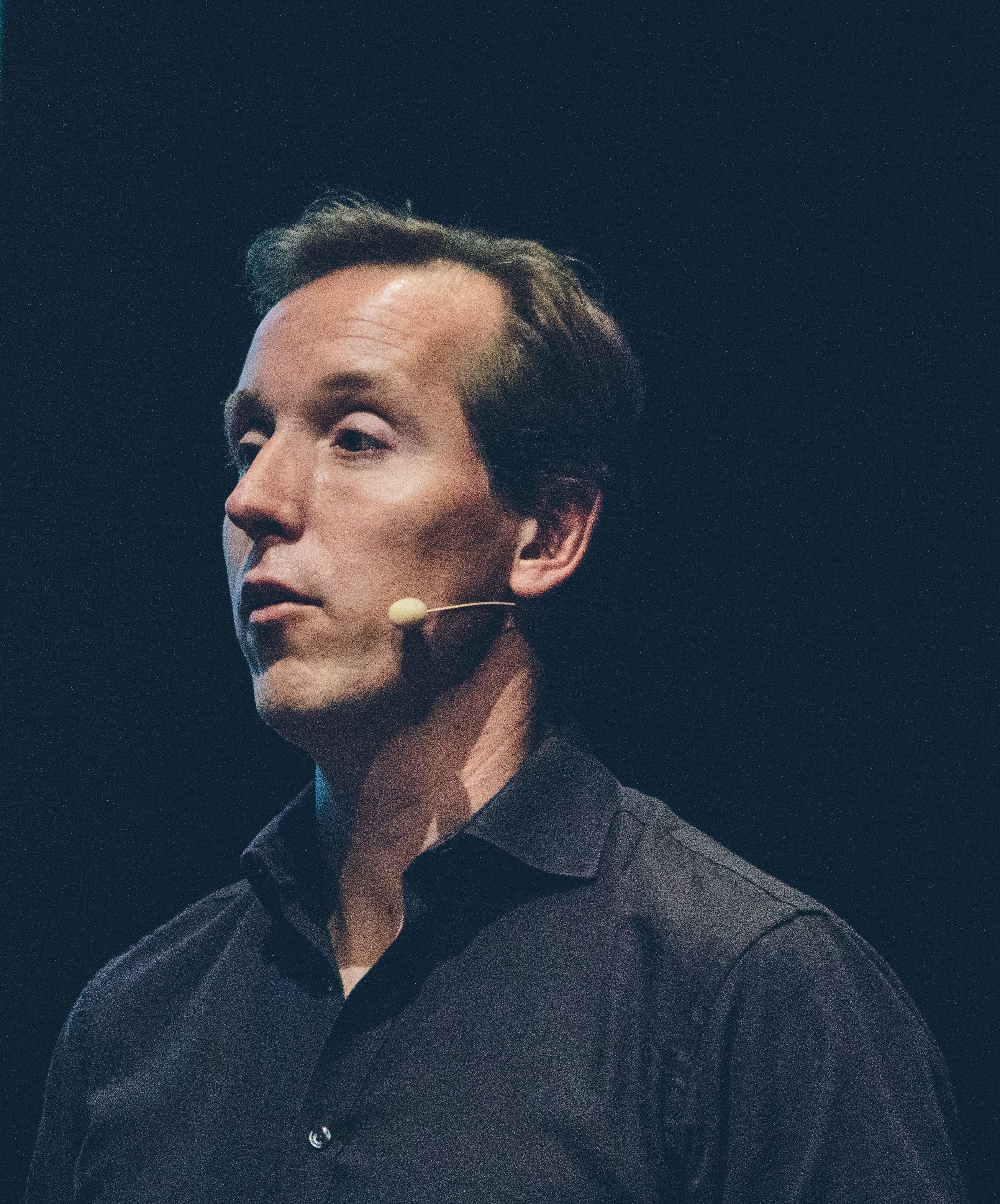


Luis Ouriach — Designer Advocate at Figma
An introduction to Figma's new feature 🤫
September 4, 2023
11:25
Product Operations
🇬🇧 English


In our presentation, we will talk about the transformational journey that Santander Bank Polska went through from the first design experiments carried out by a group of enthusiasts to the cross-cutting standardisation of the product development process. We will show how to effectively implement service design on the scale of such a large organisation and why a dedicated framework plays an important role. We also explain how to effectively communicate the value of design in a business-focused environment and why you don't need many designers at all to make Service Design work well in your organisation.
Watch this WaysConf session, then continue with related talks or explore the current programme.
A Polish-language account, rendered here in English, of scaling service design across a large bank over several years. The change began during an agile transformation, when product owners needed a way to build backlogs from customer needs. Leadership later made customer experience a shared objective, creating demand for research and internal service-design capability. The organization developed Compass, a framework aligned with quarterly planning, resourcing, methods, templates, and research operations. Adoption required dedicated mentors, local leaders, explicit agreements with business units, modular training, and a growing practitioner community. The larger lesson is that a framework succeeds only when it fits business rhythms, translates design into risk and outcomes, and evolves as the organization changes.
The bank’s agile transition created a practical need to connect customer evidence with product vision and backlog decisions.
Watch from 3:21Compass became operational by connecting its stages to quarterly prioritization, schedules, skills, methods, templates, and recruitment procedures.
Watch from 9:41A central service designer, a trusted local leader, and an explicit commitment helped teams build independent capability over time.
Watch from 15:37Product owners engaged more readily when design work tested uncertainty around acquisition, retention, value, feasibility, and other business goals.
Watch from 25:03Training opened the door, but guided project work, ambassadors, shared events, and distributed leadership made the practice sustainable.
Watch from 29:29These concise notes were edited from automatic captions and checked against the talk structure. They are not a verbatim transcript.
When hundreds of people moved into new agile roles, product owners suddenly needed visions and backlogs rather than instructions from a waterfall plan. A small group used that moment to connect customer needs with product decisions through training and internal projects. The design practice gained traction because it answered an immediate organizational question, not because the team asked colleagues to adopt a method in isolation.
Watch from 3:21Strategic service-design projects initially ran beside the bank’s normal planning and resource process. Compass became consequential only when work selected during quarterly planning was expected to pass through its relevant stages. Product owners could see the time, skills, templates, and recruitment support needed in advance, while design and research teams gained earlier visibility into demand.
Watch from 9:41A business unit received a dedicated service designer from the central team and identified or developed a local Compass leader. Leaders entered the change with an explicit understanding that research and design would add work before they reduced risk. Modular training introduced core concepts, but the decisive learning came from completing a real project with ongoing guidance until the local group could continue independently.
Watch from 15:37Product owners were accountable for acquisition, volume, retention, and other commercial outcomes. Asking them to research customer needs in specialist language could make design appear to block delivery. The team instead mapped Compass to project risks and offered research as a way to test the assumptions inside each goal. This positioned designers as partners increasing confidence in the route to the outcome.
Watch from 25:03Formal policy helped, but colleagues who defended customer evidence in meetings without the central team were more important. Meetups, project showcases, mentoring, and shared spaces let people exchange methods and make their work visible. As experienced participants became leaders, governance moved toward the wider practitioner community, giving the framework a chance to evolve with the organization rather than remain a fixed central artifact.
Watch from 29:29