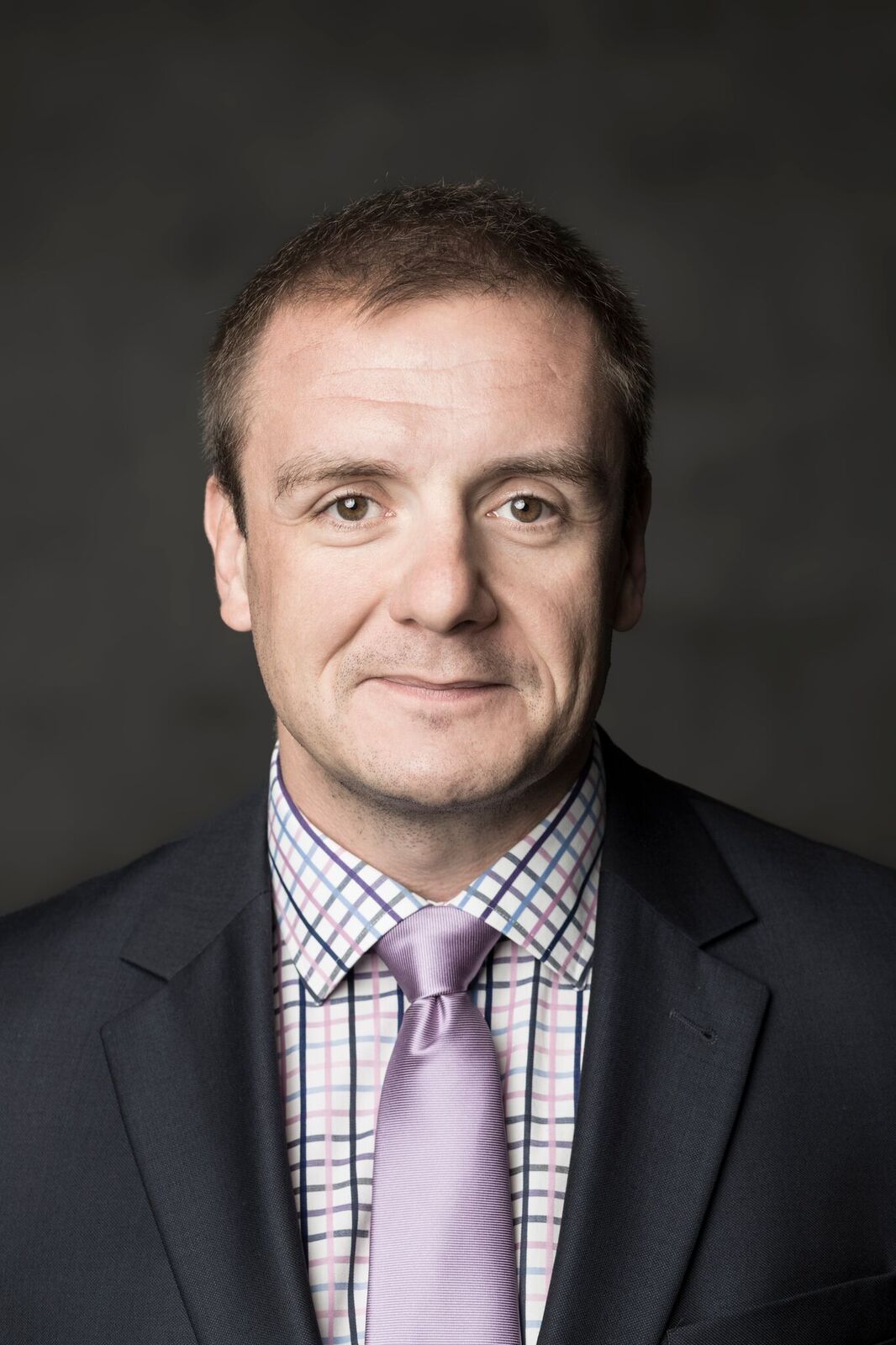
Miranda Slayter — Principal Designer at Booking.com
How a good story shaped the future of Booking.com
September 19, 2024
15:55
Planning & Strategy
🇬🇧 English


Engineers only do refactors and tech debt. Product invents unrealistic deadlines and doesn’t care about quality. Oh, and of course - management doesn’t know what it is doing. Heard any of it lately?
I believe building great products is about finding the sweet spot between processes, structure and culture. Fortunately we can change all of those. Unfortunately, it takes time and a lot of intuition. During this talk I will share my take on how to build and scale product & engineering organisations, all from the point of view of an ex-software engineer turned product & engineering manager.
Watch this WaysConf session, then continue with related talks or explore the current programme.
In this WaysConf 2024 presentation, Adam Dubiel, Chief Product & Technology Officer at XTB, shares his framework for managing and scaling a large product and engineering organization. Drawing on his transition from software engineering to executive leadership, Dubiel outlines a three-pillar approach balancing processes, structure, and culture to optimize for results, scalability, and high employee engagement. He argues that processes should structure communication rather than replace it, advocating for a "today, tomorrow, later" planning model that targets 80% predictability over absolute certainty. Structurally, Dubiel emphasizes aligning cross-functional teams—comprising engineers, product managers, and UX designers—under identical goals and KPIs to eliminate finger-pointing. Finally, he explains how to foster a culture of deep ownership and high engagement by delegating decision-making authority to engineers and publicly recognizing "everyday heroes" who embody company values. The talk concludes with a practical Q&A session addressing long feedback loops, goal cascading, and managing organizational resistance to change.
Rather than wasting time planning for absolute certainty, organizations should aim for roughly 80% predictability. This leaves a 20% margin of error that empowers teams to make local trade-offs and manage unexpected chaos.
Watch from 11:15To prevent finger-pointing, engineers, product managers, and UX designers must be evaluated on the exact same goals and KPIs. This shared accountability encourages cross-functional collaboration and collective problem-solving.
Watch from 20:27Relying solely on hierarchical cascading filters information through individual agendas and biases. Organizations need regular broadcast systems, like bi-monthly town halls, to establish a single, unfiltered source of truth.
Watch from 7:00Planning processes should provide teams with the space to negotiate and resolve dependencies directly before escalating. When given the autonomy to compromise, teams resolve most issues on their own without managerial intervention.
Watch from 14:35Cultivating a strong culture requires publicly acknowledging individuals who quietly embody company values in their daily work. Highlighting these "everyday heroes" during town halls with small, symbolic gestures is far more effective than cash rewards.
Watch from 27:10These concise notes were edited from automatic captions and checked against the talk structure. They are not a verbatim transcript.
Transitioning from engineering to organizational management introduces a massive shift in feedback loops. As a software engineer, the feedback loop is incredibly short, often taking just minutes to write code, deploy it, and see it work on production. In contrast, when you implement an organizational or process change as a manager, you frequently have to wait a year or more to see if the change actually succeeds or breaks. This delay makes management highly abstract and requires leaders to rely heavily on intuition, experience, and patience rather than immediate data.
Watch from 3:53There is a common misconception that introducing processes means burying teams in Excel sheets, Jira tasks, and bureaucratic busywork. In reality, effective processes should never replace direct communication; instead, they should provide a clear structure for it. Without structure, communication quickly devolves into chaos. By establishing lightweight processes, an organization can systematically address critical questions such as what is being built, why it is being built, how it will be executed, and how the team will measure success.
Watch from 5:24When scaling an organization to dozens of teams, dependencies are inevitable, but managing them in the "meantime" of a sprint is unsustainable. A robust planning process must bring these complexities to light and encourage teams to negotiate directly. Leaders should empower product managers and engineers to haggle over scope and timelines locally. However, if an agreement cannot be reached, management must be fully prepared to step in and make the hard decision about which project takes priority, rather than telling teams to simply figure it out themselves.
Watch from 12:34To build a truly scalable organization, leadership must delegate responsibility and involve engineers deeply in the product design process. While product managers and UX designers establish the overall direction and ideas, the engineer writing the code ultimately makes hundreds of small, practical decisions every day that shape how the product functions. If engineers do not understand the broader product vision, the final execution will suffer. Scalability relies on strong leaders who can negotiate standards while trusting teams to make daily decisions.
Watch from 21:46Ownership is the single most critical ingredient for a high-performing organization because it eliminates the need for constant micromanagement. True ownership means that individuals take full responsibility for their work, including their mistakes. As one developer perfectly summarized, ownership means that if you mess something up, you are the one who steps up to fix it, even if that means resolving a production issue in the middle of the night. When teams feel this level of accountability, they drive the product forward independently.
Watch from 25:29When introducing a new organizational framework to an established company that may be resistant to change, leaders must approach the transition with deep respect. Coming in "guns blazing" and declaring that everything done previously was wrong is a recipe for failure. Instead, a leader should first listen to the people, understand the existing workflows, and respect the legacy achievements that built the company's success. Once trust is established, the leader must remain relentless in reinforcing the new processes and feedback loops.
Watch from 37:42