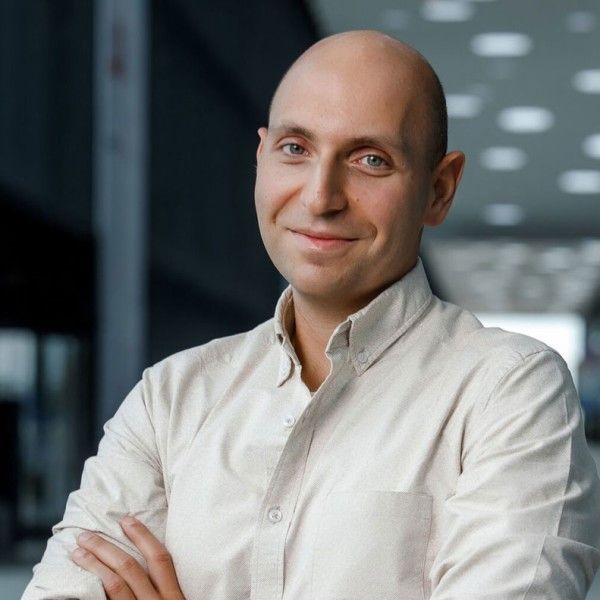


Natalia Filvarova — UX Researcher at Google
The Evolution of UX Teams: Specialists vs. Generalists in the Age of AI
September 20, 2024
11:10
Discovery Research
🇬🇧 English


Nasza opowieść jest o tym, jak zaskakujące bywają efekty współpracy z
użytkownikami. Podzielimy się z Wami historią, jak rekrutacja respondentów do badań UX niespodziewanie przerodziła się w zaangażowaną społeczność franczyzobiorców Żabki skupioną wokół technologii. Ta początkowo niewielka grupa przekształciła się we
współtwórców swojego cyfrowego środowiska pracy, aktywnie uczestnicząc w całym, ciągłym procesie badawczym. To opowieść również o tym, jak dzięki autentyczności i zaangażowaniu pozyskiwać bezcenne dane przy zerowym koszcie. Dołożyliśmy do tego
element grywalizacji i zyskaliśmy ambasadorów aplikacji biznesowych! Nasza historia pokazuje, jak początkowe wyzwanie może przerodzić się w wartość strategiczną, wzbogacając badania UX i pogłębiając zrozumienie potrzeb użytkowników w niszy, jaką są narzędzia B2B.
Watch this WaysConf session, then continue with related talks or explore the current programme.
A B2B research case study about turning respondent recruitment into a lasting community of franchisees who co-create internal retail tools. The team began without a mature research practice or a large budget, recruited participants around existing personas, and launched an ambassador program with an overly rigid research schedule. Across five editions they reduced the cadence, explained how feedback affected the product, opened a peer space in Microsoft Teams, introduced rewards, and shifted from scarce prizes to visible recognition. The community became valuable not only as a respondent pool but as a year-round relationship between designers and store operators. Its success came from iteration, informality, appreciation, and adapting the program to what members found useful.
A low-cost pilot can demonstrate organizational value and improve recruitment before the team seeks a larger operating budget.
Watch from 2:00Expert representatives provide rich knowledge but cannot stand in for the varied operators who will use a product every day.
Watch from 6:00A fixed stream of research tasks exhausted both the backlog and participants, so later editions used a lighter rhythm.
Watch from 10:00A peer channel let franchisees exchange practical advice and turned isolated respondents into a community with its own conversations.
Watch from 12:02Visible status and broadly available appreciation sustained motivation better than rewards limited to the same top three contributors.
Watch from 14:00These concise notes were edited from automatic captions and checked against the talk structure. They are not a verbatim transcript.
The design team needed to establish research in a large organization and make recruitment less difficult. Instead of beginning with a request for substantial funding, it created an inexpensive program intended to show useful evidence first. That approach served two goals at once: it gave product teams access to franchisees and gave the organization a concrete reason to invest further.
Watch from 2:00A council of elected franchisees participated in an intensive design sprint and supplied extensive operational knowledge. The team then recognized that these participants were unusually experienced and often worked in conditions that did not represent every store. The new application had to support all franchisees, so recruitment needed a broader mix selected against the team’s existing personas.
Watch from 6:00The first program imposed research tasks twice each week, assuming the product would continuously supply enough questions and participants would retain their initial enthusiasm. Neither assumption held. Later editions reduced the maximum frequency and added updates about product progress, allowing members to see how their effort connected with outcomes instead of receiving an endless queue of requests.
Watch from 10:00During workshops, franchisees naturally discussed store problems and shared advice beyond the research agenda. The team created a group space where those conversations could continue. Although colleagues worried that two moderators could not manage a large community, members began starting their own constructive threads. The program now offered practical relationships, not only another channel for completing studies.
Watch from 12:02A points system and quarterly prizes initially increased participation, but rewarding only three people made recognition feel unreachable and repeatedly favored the same contributors. The next edition used more widely available, partly symbolic rewards and visible ambassador status in the company intranet. This made contribution legible to peers and reinforced belonging without relying solely on expensive incentives.
Watch from 14:00