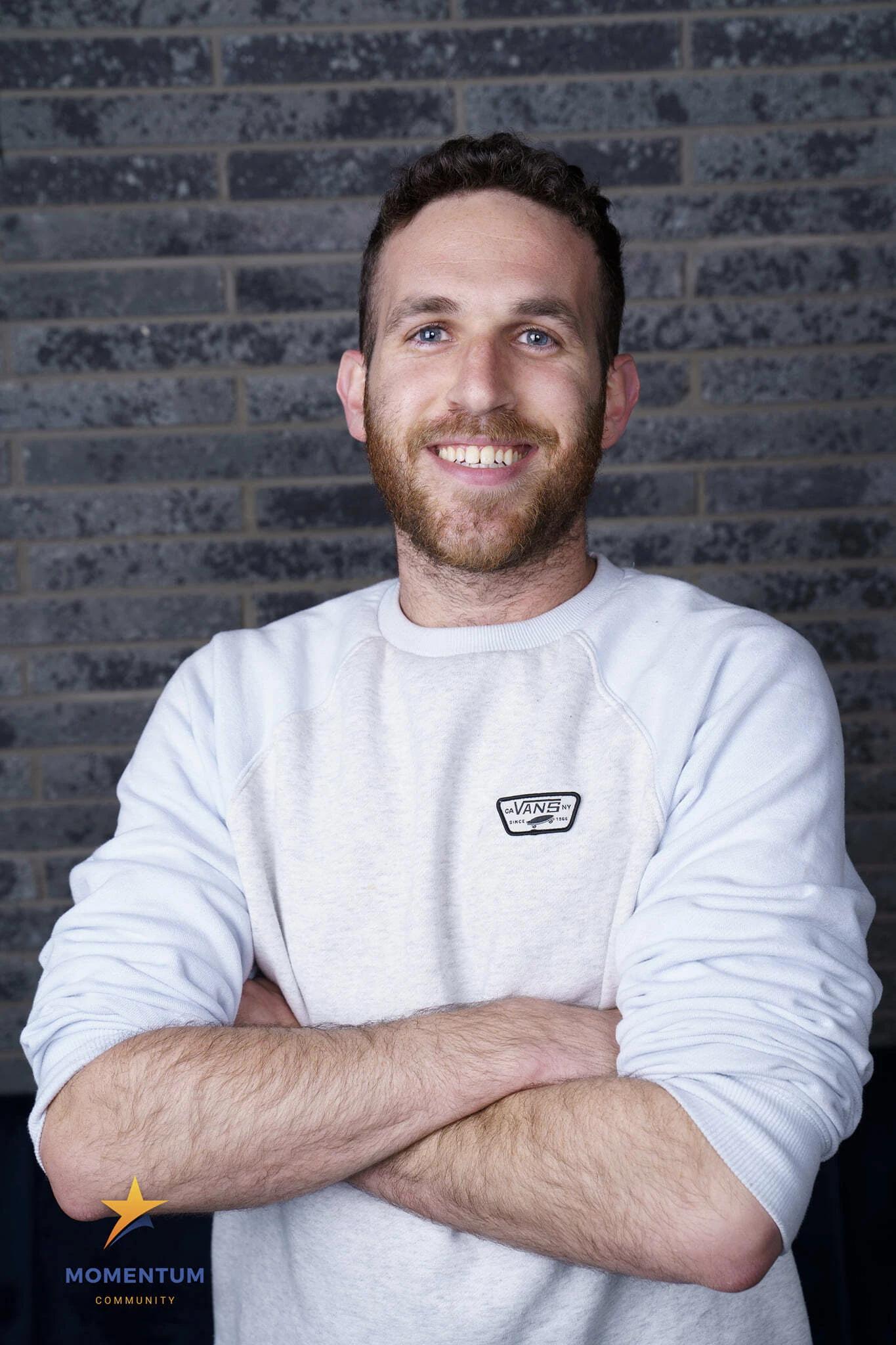

Paweł Chłodnicki — Content Designer at DocPlanner
Content Design Toolkit. Ways of working with product copy - review and ideas
September 4, 2023
12:00
UX Writing
🇬🇧 English


About the impact of ChatGPT and other AI tools on UX writing
Generative AI is revolutionizing the way writers in the tech industry create content. With the help of AI tools like ChatGPT and Midjourney, writers, designers, researchers and any person on earth basically can generate high-quality, original content faster and more efficiently than ever before.
I mean, even this content was partially written by AI.
Whether you're a professional UX writer or designer looking to optimize your workflow or a UX manager looking to keep up with the latest trends, learning how to use generative AI can help you stay ahead of the game.
Watch this WaysConf session, then continue with related talks or explore the current programme.
An early practical guide to generative AI for UX professionals, framed around how the tools change work rather than eliminate it. The talk demonstrates writing assistance, research synthesis, prompt iteration, reusable prompt libraries, and consistent visual generation, while warning that fluent output still requires human evaluation. The durable workflow is to give clear context, inspect claims, iterate deliberately, and preserve successful instructions. AI accelerates drafts and analysis, but designers remain responsible for evidence, ethics, and final product judgment.
Fast-moving tools require experimentation and periodic reassessment instead of a fixed list of permanent best products.
Watch from 2:17Automation changes the tasks designers perform, increasing the importance of framing, verification, and responsible decisions.
Watch from 7:50Generated microcopy can provide options quickly, but tone, accuracy, context, and accessibility remain a human responsibility.
Watch from 13:23Language models can help organize and summarize supplied data, provided teams retain source traceability and check interpretations.
Watch from 19:13Saving effective context and instruction patterns turns one-off experimentation into a repeatable team practice.
Watch from 25:01These concise notes were edited from automatic captions and checked against the talk structure. They are not a verbatim transcript.
A product that appears in the morning can alter a workflow by afternoon, so memorizing a single toolset is a weak strategy. Designers should maintain a small experimentation loop: define a task, test a capability with representative material, compare it with the current method, and record limitations. The capacity to evaluate remains useful as products change.
Watch from 2:17Generative systems can remove or accelerate parts of writing, analysis, and production, but they also create new work. Someone must frame the request, protect sensitive material, detect fabricated claims, choose among alternatives, and own the outcome. The professional role shifts toward these decisions rather than disappearing when a draft can be produced quickly.
Watch from 7:50A language model can propose error messages, labels, or tonal alternatives in seconds. Those options still need review against the interface state, user vocabulary, accessibility, brand voice, and legal reality. Providing context improves the draft, but only testing and accountable human judgment can establish whether the words help customers complete the task.
Watch from 13:23Models can organize supplied interviews, notes, or long documents and help a researcher see possible themes. The output should remain a hypothesis rather than an authoritative finding. Preserve source references, inspect counterexamples, and avoid uploading material without permission. Speed is useful only if the synthesis can be audited and corrected.
Watch from 19:13Saving prompts prevents teams from repeatedly discovering the same context and formatting instructions. A useful library should also record the task, sample inputs, expected structure, failure patterns, and review criteria. That turns prompting from personal improvisation into a documented workflow that colleagues can test, improve, or retire as tools evolve.
Watch from 25:01