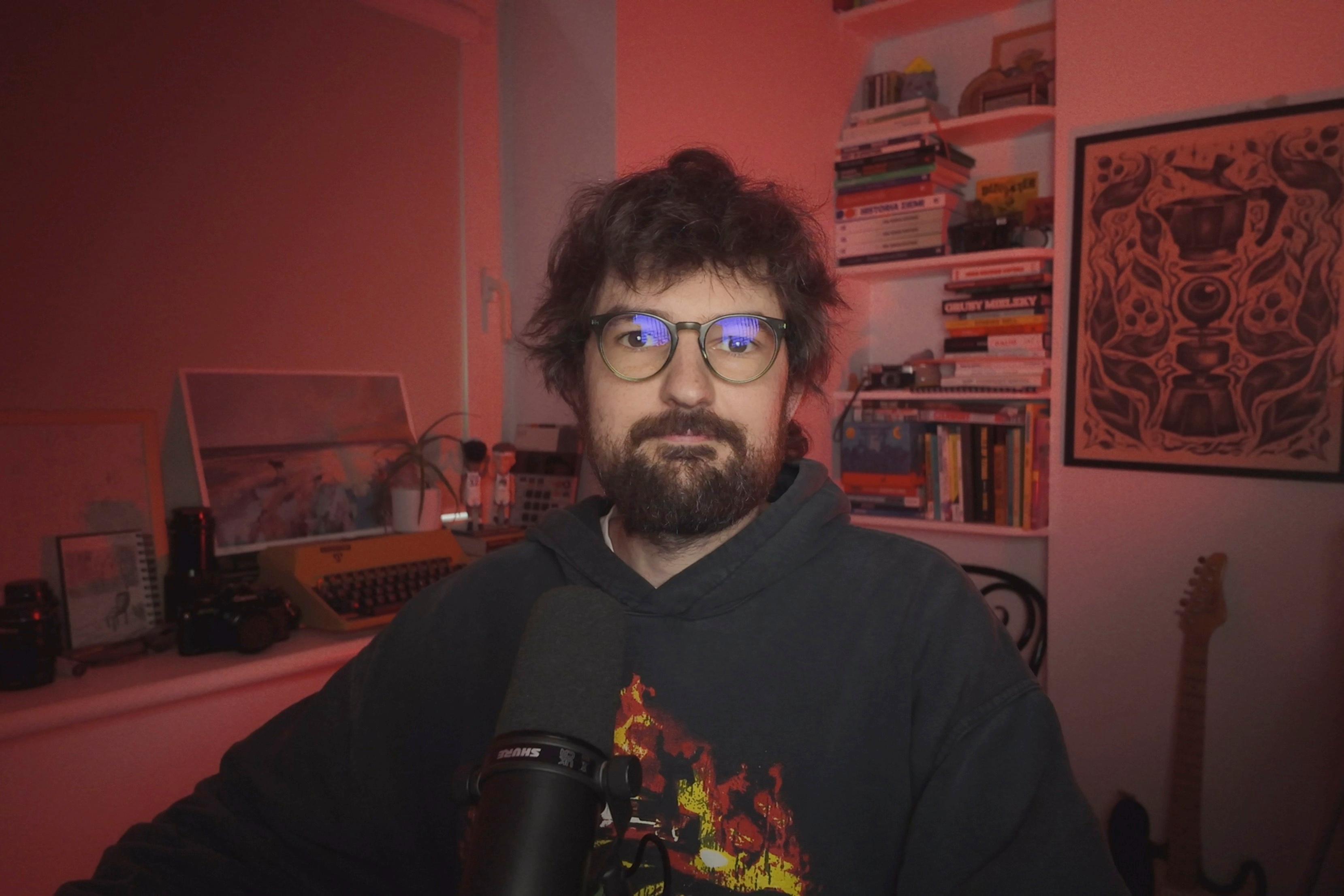

Grzegorz Róg — CEO at easy_
Tools and automations that allow me to work 10x more efficiently
September 5, 2023
11:00
No-Code
🇵🇱 Polish


Join me to learn how to make your digital life easier and more creative.Using popular no-code tools like Bubble.io, Webflow, Make.com, and Apple Shortcuts, I'llguide you through the process of transforming your ideas into tangible digital projects.You'll see firsthand how I built tools, apps and websites. From setting up automatedemail flows and creating landing pages to developing AI assistants and apps leveragingthe power of OpenAI. This is not just theory; it's about actionable knowledge you canapply right away.
Everything will be broken down into easy-to-understand steps. By the end of oursession, you'll have a roadmap to recreate the apps I've showcased and the inspirationto embark on your own no-code journey.Whether you're a designer wanting to bring your visions to life or a developer looking tostreamline your workflow, this session is for you.
Let's gooo no-code!
Watch this WaysConf session, then continue with related talks or explore the current programme.
A practical account of becoming a no-code developer and using visual tools to turn product ideas into working applications. The talk explains that no-code work still depends on systems thinking, communication, continuous learning, and the ability to search for unfamiliar solutions. Examples range from forms and email logic to a real-world sustainability product and a team-developed delivery method. The broader lesson is that tools shorten implementation, but product quality still comes from understanding the problem, structuring information, and coordinating people.
When implementation takes less time, teams can spend more attention exploring alternatives and shaping the solution before committing to it.
Watch from 2:32Forms, conditions, and connected services become reusable skills when creators understand how information and events move through a system.
Watch from 6:58No-code ecosystems change quickly, so finding examples, documentation, and precise answers is more durable than memorizing every interface.
Watch from 11:41A polished interface matters most when its data and workflows reliably support the physical or operational result promised to customers.
Watch from 21:15Teams need conventions for scoping, building, reviewing, and maintaining no-code applications just as they do for conventional software.
Watch from 26:39These concise notes were edited from automatic captions and checked against the talk structure. They are not a verbatim transcript.
Visual development reduces some of the time spent translating a known interaction into code. That advantage should not simply produce more features. It can create room to explore alternatives, test the shape of a workflow, and involve stakeholders while decisions are still inexpensive. Faster building is valuable when it improves learning, not only output.
Watch from 2:32A form becomes more than a collection of fields when its answers can trigger conditions, update records, and start relevant communication. Learning how these events and data relationships work is more useful than mastering one product’s controls. The same mental model can be carried into many tools and progressively more complex systems.
Watch from 6:58No creator understands every service or integration in advance. Productive no-code work depends on forming a precise question, locating reliable documentation or examples, testing the answer, and recognizing when the result is unsafe. This research loop is a technical capability, especially in an ecosystem where features and interfaces change rapidly.
Watch from 11:41A sustainability application can look convincing while still failing if its operations do not connect digital participation with planting trees in the real world. Product design therefore includes the records, responsibilities, and handoffs behind the screen. Visual quality supports trust, but the promised outcome is what ultimately proves the system works.
Watch from 21:15When several people build no-code products together, individual speed is not enough. The team needs shared practices for naming data, defining ownership, reviewing logic, testing integrations, and handing over maintenance. A delivery methodology turns a collection of clever automations into a product capability that can survive changes in people and platforms.
Watch from 26:39