


Go Back

Designing for actual humans, not who we wish to be

About

I. The intention-behavior gap (5 mins)

  • The premise: Why traditional UX research sometimes fails. We often design for how people say they will behave, rather than how they actually behave.
  • Defining behavioral design: Introduction to the field as a tool for creating products and policies that bridge the "intention-behavior gap."

II. From data to intervention / Behavioral research (10 mins)

  • The method: Explaining Nudgelabs approach and our behavioral framework. Using client data to understand the psychological barriers and motivators, relevant biases, and context.
  • Hypothesis testing: How to turn research insights into interventions, products, or design that can be measured for ROI and impact.

III. Cases (15 mins)

  • Note that the cases used in the presentation might differ, and these are suggestions to exemplify the approach. The common thread throughout the cases is to show how to apply psychological and behavioral insights (e.g., social proof, cognitive load) when designing products, policies, and more.
  • Case 1: SATS & Bane NOR (Fitness and mobility): Showing how "friction" can be used both to prevent dangerous behavior (road safety) and encourage positive habits (exercise).
  • Case 2: Matvett: Show how implementation intentions, meaning specifying when, how, and what single behavior you want to change, can reduce food in Norwegian households.
  • Case 3: Coop Svalbard: Show how we tend to chose a smaller, immediate reward rather than a larger, future reward (present bias) and how changing the decision-environment in grocery stores can reduce the purchasing of plastic bags.

IV. The toolkit they can apply tomorrow (5 mins)

  • Transferability: Highlight the transferability and possibility to applying behavioral insights across contexts, including central and eastern European tech scene. Framing it as a competitive advantage.
  • Concrete tools: Bullet points on where and how to start applying behavioral frameworks or research techniques.
  • Closing: Designing for impact means designing for the human as they are, not as we wish them to be.

Speakers

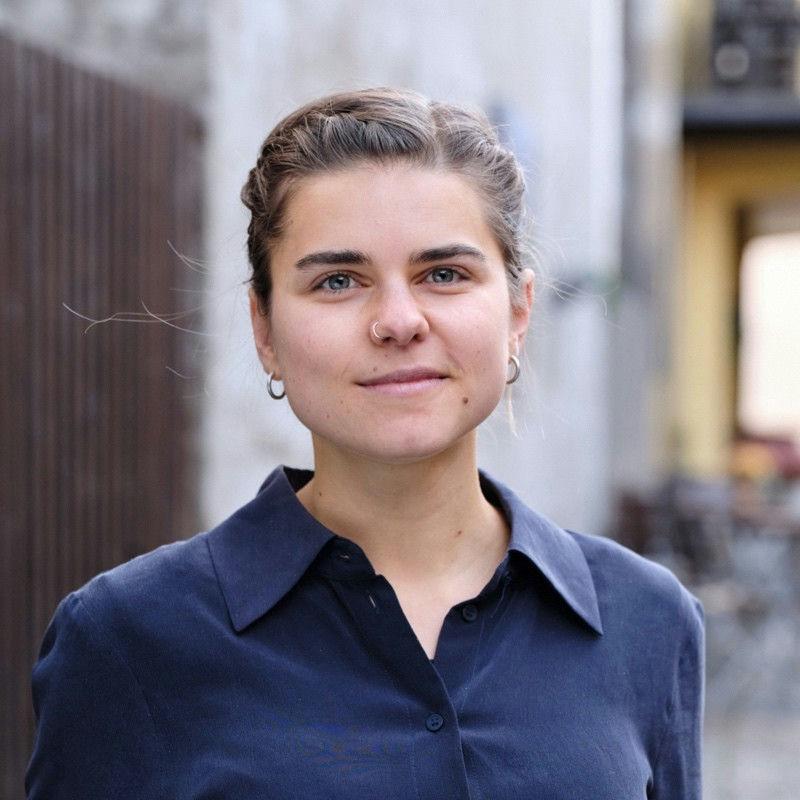
Anna Malena Njå

Behavioral Science Consultant

Other talks from:

No items found.
BECOME our SPEAKER at waysconf 2024